
Dental Abscess & Infection Treatment in Lansing
A dental abscess is a serious infection that requires immediate professional treatment. At Emergency Dentist Lansing, we provide urgent abscess drainage, antibiotic therapy, and definitive treatment to eliminate the infection and relieve your pain. Do not delay. Untreated dental infections can become dangerous.
What Causes a Dental Abscess?
Dental abscesses form when bacteria invade the dental pulp (the innermost part of the tooth containing nerves and blood vessels). Common causes include untreated cavities that penetrate deep into the tooth, chips or cracks that allow bacteria to enter, and advanced gum disease. In the Lansing area, we frequently see dental infections that started as minor tooth pain and were left untreated for weeks or months.
Once bacteria reach the pulp, the immune system responds by sending white blood cells to fight the infection. This battle produces pus, which accumulates in a pocket at the tip of the tooth root or along the gum line. As the pressure builds, the pain intensifies. Without drainage and treatment, the infection can spread to surrounding bone, soft tissue, and in severe cases, the bloodstream.
Types of Dental Abscesses
Not all dental abscesses are the same. Understanding the type helps determine the appropriate treatment approach:
Periapical Abscess
Forms at the tip of the tooth root, usually caused by an untreated cavity or trauma that kills the pulp tissue. This is the most common type of dental abscess and typically requires root canal therapy or extraction.
Periodontal Abscess
Develops in the gums alongside the tooth root, often related to advanced gum disease. Food debris or bacteria become trapped in a deep gum pocket, leading to infection. Treatment involves drainage and deep cleaning of the affected area.
Gingival Abscess
A localized infection in the gum tissue, often caused by a foreign object (like a popcorn hull or seed) becoming embedded in the gum. This type is generally easier to treat and may resolve with drainage and local care.

Recognizing the Signs of a Dental Infection
Dental infections can develop gradually or seem to appear suddenly. Many patients in the Lansing area describe a dull ache that progressively worsens over several days before becoming unbearable. Others wake up with unexpected facial swelling. Knowing the signs helps you seek care before the infection becomes dangerous.
Pain Symptoms
- Severe, throbbing, or pulsing toothache
- Pain that radiates to the jaw, ear, or neck
- Pain that worsens when lying down
- Sensitivity to pressure, biting, or temperature
Visible Symptoms
- Swelling in the face, cheek, or under the jaw
- A visible bump or pimple on the gum near the tooth
- Redness and swelling of the gum tissue
- Pus drainage or a foul taste in the mouth
Systemic Symptoms
- Fever and general feeling of illness
- Swollen lymph nodes in the neck or jaw
- Difficulty swallowing or opening the mouth
- Fatigue and body aches
Advanced Warning Signs
- Rapid facial swelling spreading toward the eye or neck
- Difficulty breathing
- High fever above 101°F (38.3°C)
- Confusion or disorientation
Warning: Dental Infections Can Be Life-Threatening
An untreated dental abscess can spread to the jaw, head, and neck. In rare but serious cases, the infection can enter the bloodstream (sepsis), reach the brain, or cause airway obstruction (Ludwig\'s angina). If you notice rapid facial swelling, fever, difficulty breathing or swallowing, or you feel very unwell, seek emergency care immediately. Call Emergency Dentist Lansing at (517) 645-3037 or go to the nearest ER.
How We Treat Dental Infections in Lansing
Treatment for a dental abscess focuses on three goals: eliminating the infection, relieving pain, and addressing the underlying cause so the infection does not return. Here is what to expect when you visit Emergency Dentist Lansing for abscess treatment:
Diagnosis with Digital X-Rays
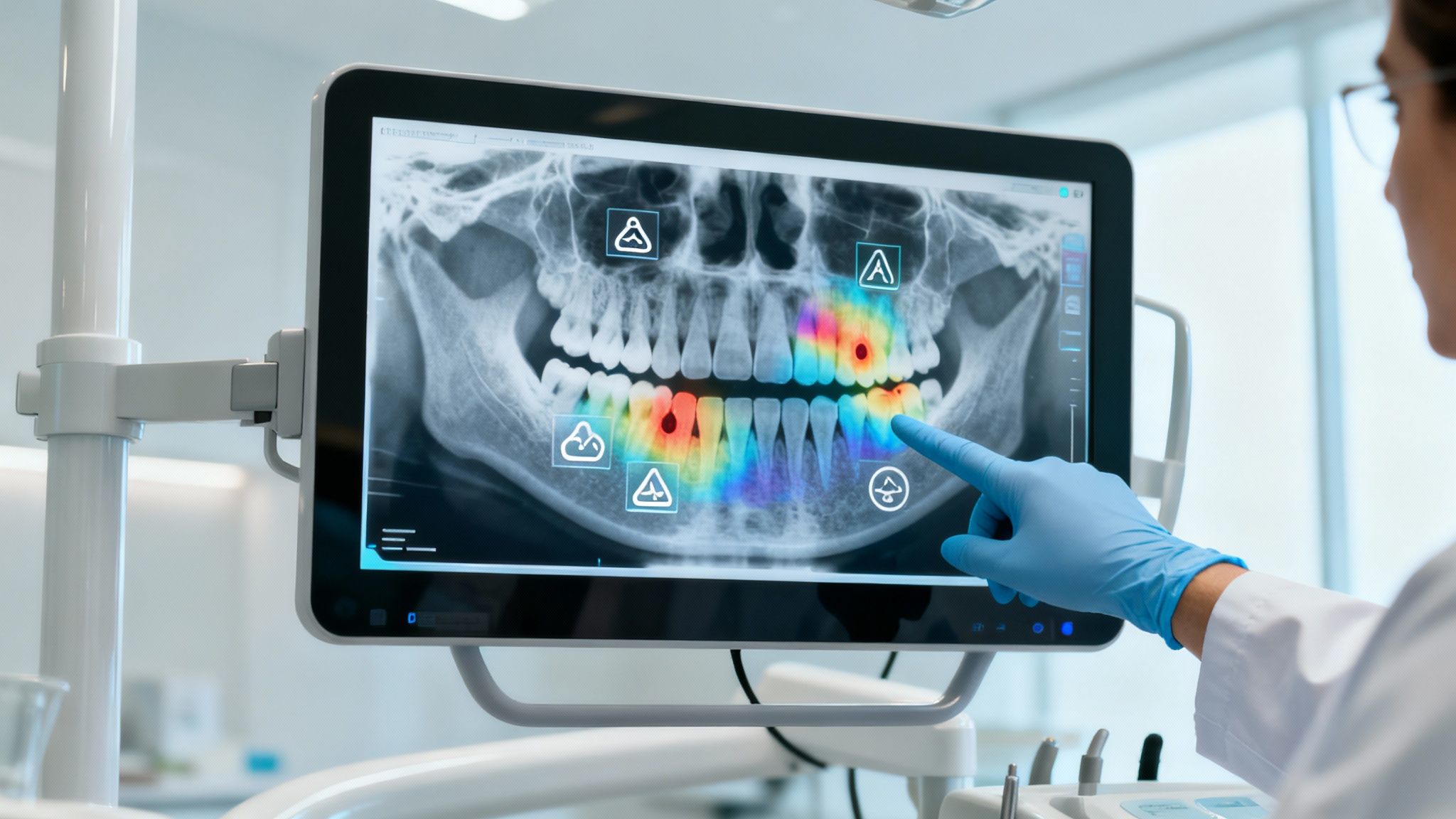
We take targeted X-rays to determine the size and location of the abscess, assess bone involvement, and identify the source tooth. This information guides every treatment decision.
Incision and Drainage
If the abscess is swollen and fluctuant, your dentist will make a small incision to drain the trapped pus. This immediately reduces pressure and provides significant pain relief. The area is thoroughly irrigated with antiseptic solution.
Antibiotic Therapy
Antibiotics are prescribed when the infection shows signs of spreading beyond the immediate area, if you have a fever, or if you have a compromised immune system. Antibiotics control bacterial spread while the dental treatment addresses the source.
Root Canal Therapy
For periapical abscesses, root canal therapy removes the infected pulp tissue from inside the tooth, cleans and shapes the root canals, and seals them to prevent reinfection. This saves the natural tooth and eliminates the source of infection.
Extraction (When Necessary)
If the tooth is too severely damaged or decayed to be restored, extraction is the definitive treatment. Removing the tooth eliminates the source of infection entirely. We discuss replacement options including implants, bridges, and dentures.
Periodontal Treatment
For gum-related abscesses, deep cleaning (scaling and root planing) removes bacteria and calculus from below the gum line. This treats the infection and helps the gum tissue heal and reattach to the tooth.
How to Prevent Dental Abscesses
Prevention is always better than emergency treatment. Most dental abscesses are entirely preventable with consistent oral hygiene and regular dental care. Here are the habits our Lansing dental team recommends to keep infections at bay:
Brush twice daily with fluoride toothpaste for at least two minutes
Floss daily to remove plaque and food debris from between teeth
Visit your dentist every six months for check-ups and professional cleanings
Treat cavities promptly, no matter how small they appear
Replace worn or damaged fillings and crowns before bacteria can infiltrate
Limit sugary snacks and beverages that feed decay-causing bacteria
Drink plenty of water throughout the day to maintain saliva flow
Quit smoking, which weakens the immune system and increases infection risk
If you have diabetes, a weakened immune system, or take medications that cause dry mouth, you may be at higher risk for dental infections. Let our team know about your medical history so we can tailor preventive recommendations to your specific needs.
Dental Abscess FAQ
What is a dental abscess?
What are the symptoms of a dental infection?
Can a dental abscess go away on its own?
How is a dental abscess treated?
When should I go to the ER for a dental infection?
How long does it take to recover from abscess treatment?
Can antibiotics alone cure a dental abscess?
Are dental infections more common in certain people?
Related Emergency Services
Dental Infection? Get Treated Today.
Do not let a dental abscess become dangerous. Call Emergency Dentist Lansing now for urgent same-day treatment.
Call (517) 645-3037